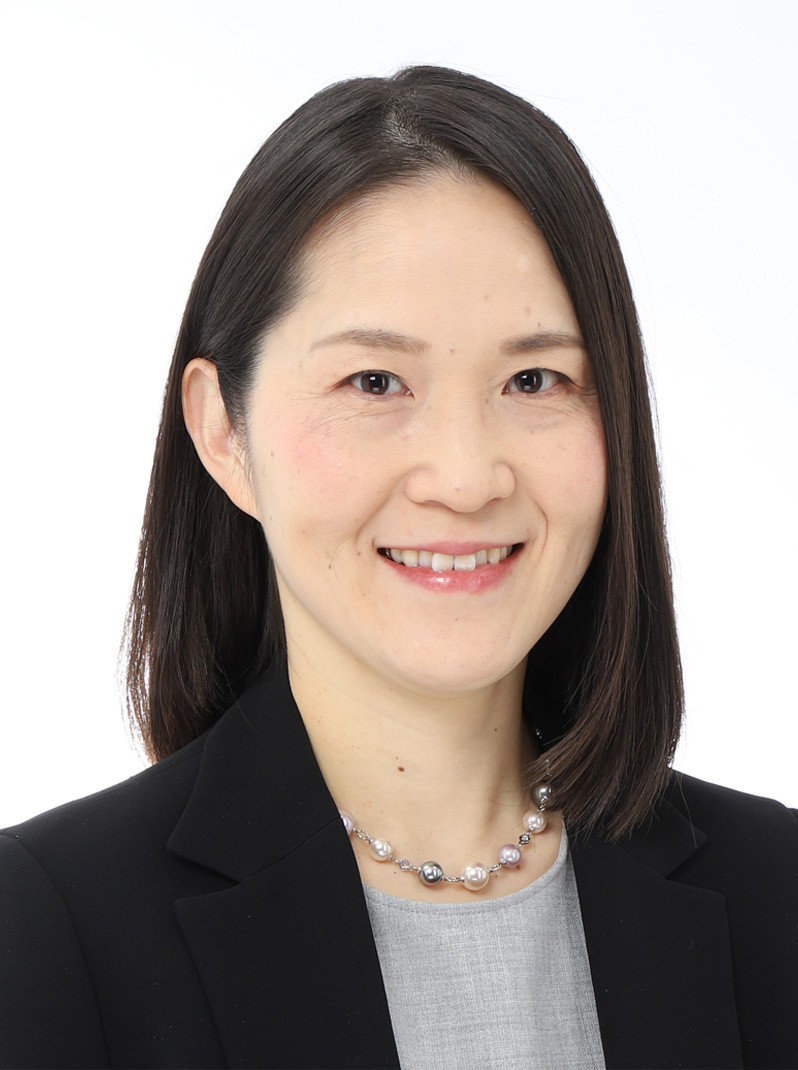
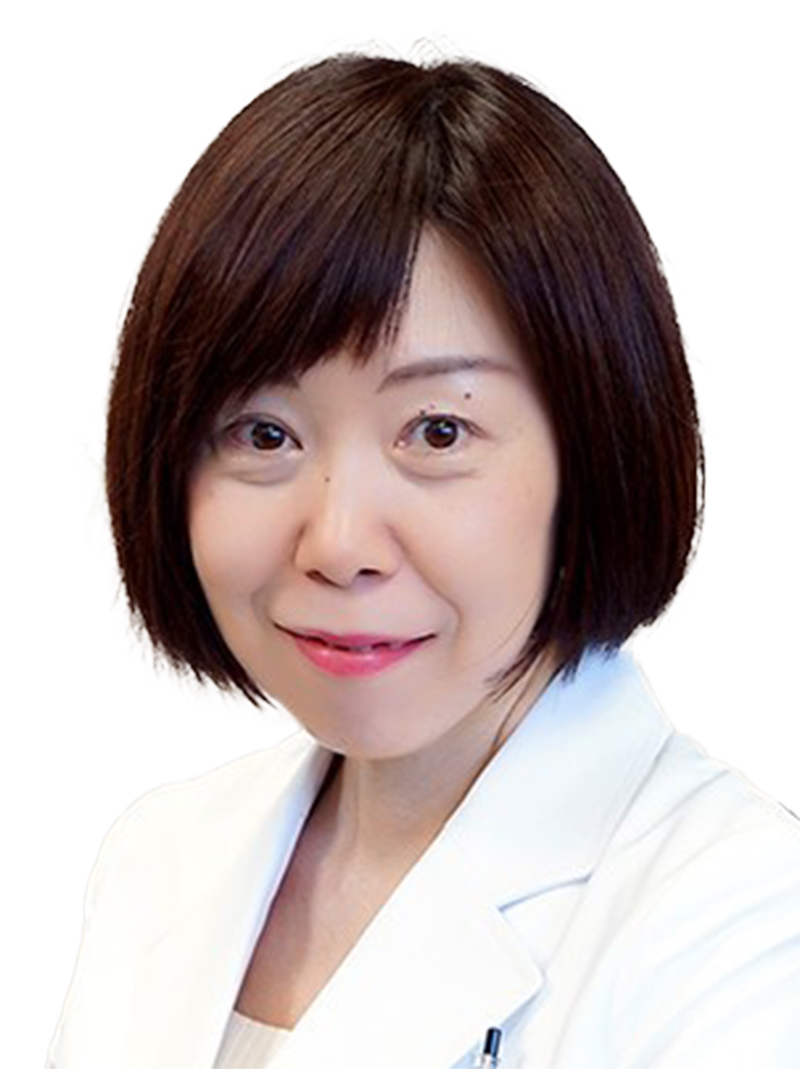
Kyoto University and Kyoto University Hospital employ many faculty and staff members who are raising children while engaged in clinical work, research, and education. Contributing to the advancement of medicine and the provision of better healthcare, while also fostering the next generation, is an important challenge for us.
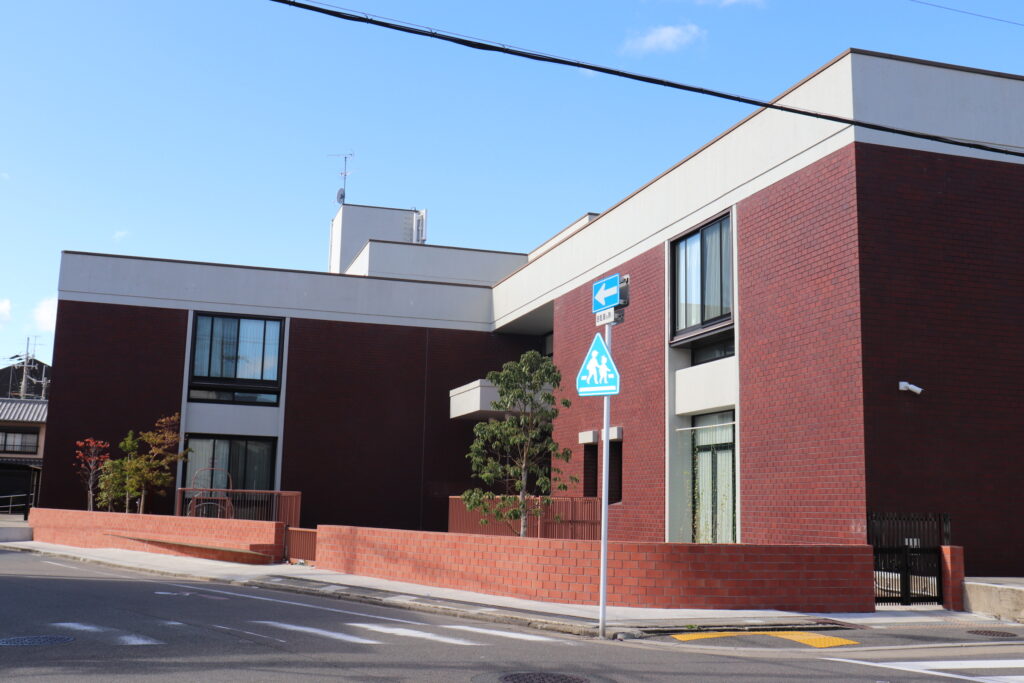
Kyoto University Hospital opened its on-site nursery “Kirara” in 2008. Since 2016, it has provided daily “pick-up & childcare” services on weekdays and offered nighttime childcare once a week. The on-site nursery reopened under a new system in 2024, achieving further enhancements. Additionally, the sick childcare room “Komomo,” located within the hospital building and operated by the Kyoto University Center for Gender Equality Promotion, currently functions as a care facility for children during and after illness. Since the COVID-19 pandemic, we have been implementing various reforms aimed at making its operations more accessible.
Taking the opportunity of being selected for the Ministry of Health, Labor and Welfare’s “Support Project for Medical Professionals Raising Children,” we aim to collaborate between the Faculty of Medicine, Graduate School of Medicine, and the Hospital to foster outstanding medical professionals while also addressing work-style reforms.
Kyoto University Hospital Assistant Hospital Director
Miki Nagao
(Gender Equality and Employee Welfare)
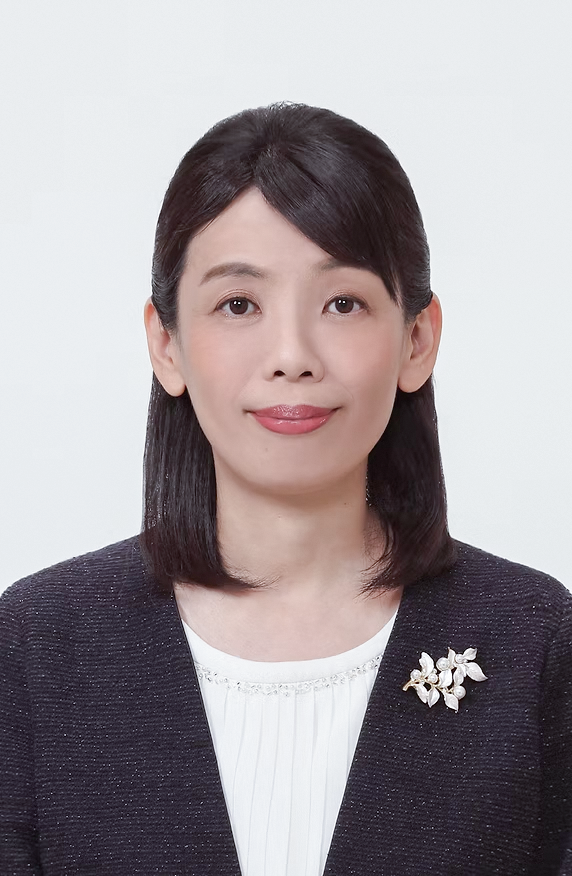
In April 2025, Kyoto University announced the “Kyoto University Declaration on Promoting Diversity, Equity, Inclusion, and Belonging (DEIB).” The Graduate School of Medicine will also actively advance the principles of DEIB under the university’s fundamental policy.
We believe that the dialogue and interaction fostered by the diversity of researchers, faculty, staff, and students creates a “chemical reaction,” leading to the creation of new values and societal transformation. We will consistently respect and welcome differing opinions and perspectives while striving to build fair systems where everyone can participate with confidence. We will promote the development of individuals who take pride in belonging to Kyoto University and can contribute to society and humanity, as a whole.
Gender Equity means realizing a society where both men and women can live fulfilling lives, respecting themselves and others, without being constrained by gender bias. Even in the medical field, fixed gender roles and expectations can influence career choices and development. We will work to correct structural gaps, including reasonable accommodations for biological differences, thereby expanding opportunities for women to participate in leadership and guiding roles. Kyoto University Graduate School of Medicine is advancing efforts to create an environment that supports everyone’s challenges and growth, enabling them to fully utilize their abilities. We hope that through the Ministry of Health, Labor and Welfare’s Support Project for Medical Professionals Raising Children, further environmental improvements will be made, leading to the realization of DEIB.
Kyoto University Graduate School of Medicine Assistant Dean of the Graduate School of Medicine (In charge of promoting gender equality) Yumi Matsumura
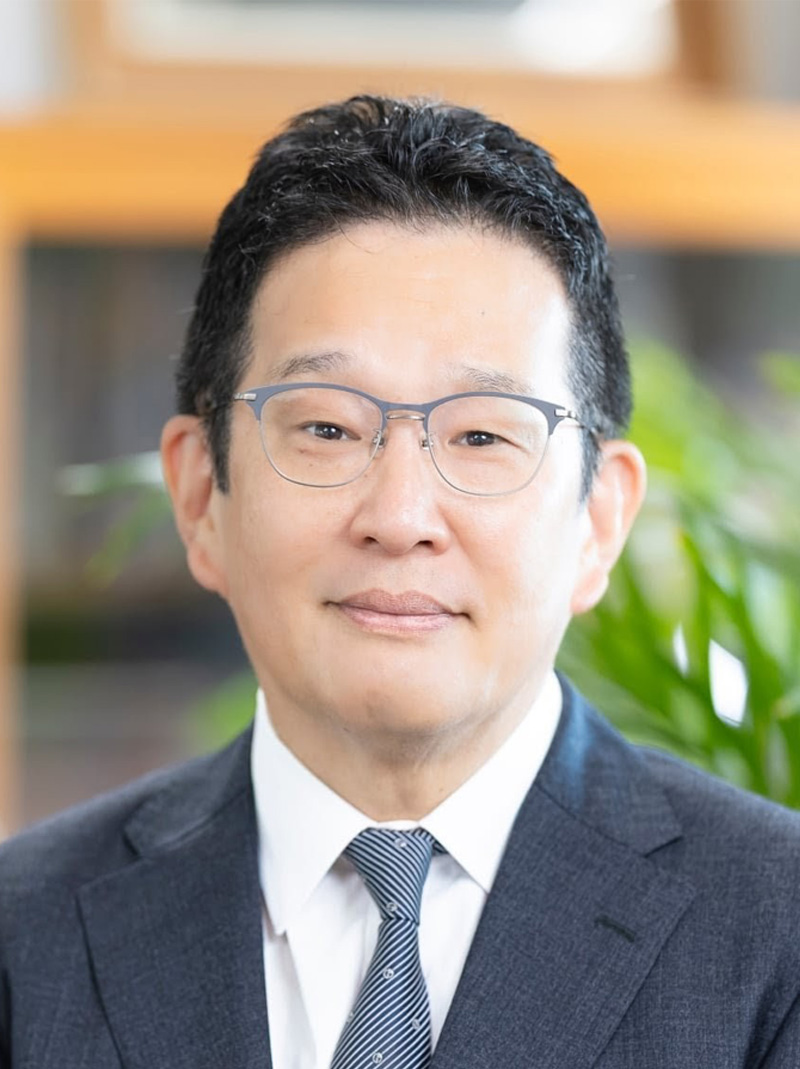
Kyoto University’s Center for Gender Equality has a long history of supporting female researchers. In addition to operating the Komomo Sick Child Daycare Center, which was the first of its kind in Japan, and providing a variety of other support services, built on this foundation, the university adopted the “Kyoto University Gender Equality Promotion Action Plan” in fiscal year 2022. In December 2023, the Kyoto University Kids Community (KuSuKu) opened an after-school care center for university faculty and staff children from first to sixth grade. Furthermore, the university-affiliated daycare center (Hidamari) commenced operations in fiscal year 2024. In 2025, the university published the “Kyoto University DEIB (Diversity, Equity, Inclusion, and Belonging) Promotion Declaration,” further accelerating university-wide momentum for these initiatives
Through the Ministry of Health, Labor and Welfare’s Support Program for Medical Professionals Raising Children, we have witnessed accelerated DEIB promotion efforts within the Faculty of Medicine and the university hospital. I sincerely hope that efforts to build this foundation will continue to advance so that everyone, regardless of gender or occupation, can thrive.
Kyoto University Graduate School of Medicine Dean of the Graduate School of Medicine, Etsuro Hatano
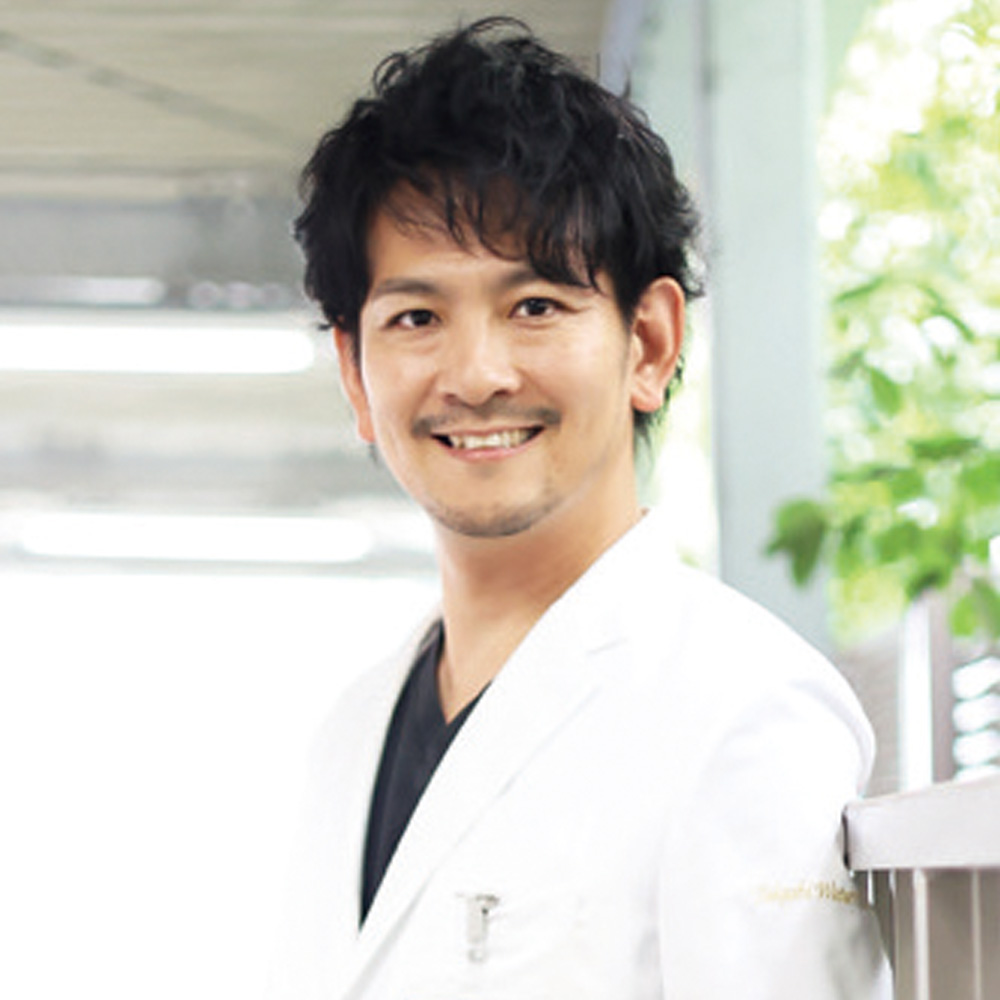
As a member of the KUSNoKI Project, I am personally enjoying my work in creating support systems that enable healthcare professionals to continue working confidently and authentically amid various life events, including the child-rearing years.
The four pillars, career development support, work-life balance support, return-to-work support, and awareness-raising support are crucial. I would like to listen to the voices of those on the front lines and shape them into a system that will reach those who need it.
While I sometimes face challenges as a male physician, I am delighted to see the culture of compassion spreading from Kyoto University into society, one that views work and family not as opposing forces, but as “Work as life.”
KUSNoKI Project Management Director
Takashi Watari
(Kyoto University Hospital
Center for Comprehensive Clinical Education and Training Associate Professor)
京都大学では男女共同参画推進センターが女性研究者支援に取り組んできた歴史があります。全国に先駆けて開始された病児保育室(こもも)の運営や多彩な支援に加え、2022年度から「京都大学男女共同参画推進アクションプラン」を掲げ、2023年12月には京都大学の教職員を対象に、小学1年生から6年生までを預かる学童保育所である京都大学キッズコミュニティ(KuSuKu)がオープンし、2024年度には院内保育園(ひだまり)がオープンしました。2025年には「京都大学DEIB(Diversity, Equity,Inclusion, and Belonging)推進宣言」を公表し、さらに全学を挙げた取り組みの機運が高まっています。
With the introduction of caps on overtime work for doctors in 2024, our hospital has been working across the board to reform the way doctors work. Having completed the initial implementation phase, we are now in a phase of refining operations and making improvements based on frontline feedback.
Promoting work style reform and creating an environment where diverse talents can demonstrate their abilities are two important initiatives that go hand in hand. Creating an environment where child-rearing medical professionals can continue working with peace of mind is particularly important from the perspective of maintaining and improving the medical system.
The KUSNoKI Project is an initiative that delves into the challenges faced by healthcare professionals in the child-rearing generation, regardless of gender, and collaboratively explores and implements concrete improvement measures with relevant stakeholders. We hope this project will function as a mechanism that supports healthcare professionals working on the front lines and contributes to improving their working conditions. We also hope that addressing these challenges in the field will lead to more fundamental improvements in working styles.
Kyoto University Hospital Vice President
Shuichi Matsuda
(Responsible for Medical Services, Labor Management, and Bed Management)
Kyoto University has formulated the “Kyoto University Action Plan for the Promotion of Gender Equality” with the goals of achieving a 20% ratio of female faculty members and a 25% ratio of female members of the Board of Directors by FY2027.
The University has been promoting efforts to support female researchers mainly through the Gender Equality Promotion Center, and the Graduate School of Medicine is also promoting its own efforts. In addition to reducing the workload of faculty members who are raising children and improving the nursery and breastfeeding space, we have also enhanced our information website to support female researchers and students. We hope that the Ministry of Health, Labor and Welfare’s project to support medical professionals of child-rearing generation will develop into an initiative that connects the framework of the Graduate School and the hospital.
Graduate School of Medicine, Kyoto University Assistant Director
Motoko Yanagita
(In charge of Gender Equality)
Kyoto University has been working to increase the ratio of female faculty members under the “Kyoto University Action Plan for the Promotion of Gender Equality” since FY2022. Focusing on the School of Medicine of Kyoto University alone, 7 out of 66 professors are women, and the ratio has been increasing especially in recent years. In November 2023, a roundtable meeting of female professors was held, and active opinions were expressed on the support for young doctors and researchers as well as the creation of a support infrastructure to further encourage the ambitions and dreams of students. A summary of the meeting is available in the 2024 New Year issue of the Alumni Magazine and on the Graduate School’s website.
The University has a long history of supporting female researchers through the Gender Equality Promotion Center. Furthermore, as part of the promotion of Diversity Equity & Inclusion (DE&I), Kyoto University is making further DE&I efforts, including the opening of Kyoto University Kids’ Community (KuSuKu) in December 2023, a day-care center for first through sixth graders for Kyoto University faculty and staff. We hope that the adoption of the Ministry of Health, Labor and Welfare’s project to support medical professionals of child-rearing generation will further promote the creation of a foundation where everyone can play an active role, regardless of gender or occupation.
Graduate School of Medicine, Kyoto University
DirectorTadashi Isa
Cultivating outstanding healthcare professionals is one of the three fundamental principles of Kyoto University Hospital and a major mission of our institution. From a human resource development perspective, both high individual motivation and a supportive environment are important. For healthcare professionals to continue growing throughout their careers, an environment based on the concept of work-life integration (where both work and private life synergize) is essential.
The Comprehensive Clinical Education and Training Center plays a vital role as a cornerstone of human resource development. It strives to provide an improved educational environment by serving as an organization that connects pre-graduate and post-graduate education, as well as linking various clinical departments through education. Another key pillar of medical education is the Clinical Simulation Center (CSC), which provides numerous opportunities for learning and interaction for students and healthcare professionals. Learning encompasses not only the education of students and residents but also various elements such as Interprofessional Education and recurrent education. We strive to become an organization that can provide all these elements, contributing as a key hub for both human resource development and work-life integration.
Kyoto University Hospital Vice President
Takashi Mizowaki
(Responsible for Education, Personnel, and Gender Equality Promotion)
Kyoto University Hospital strives to provide safe and secure medical care based on three fundamental principles related to the mission of a university hospital: medical care, research, and education: “Providing safe and high-quality medical care as an open, patient-centered hospital,” “Contributing to society through the development and implementation of new medical treatments,” and “Nurturing medical professionals with a strong sense of humanity who are aware of their professional responsibilities and mission.”
While advancing our mission, we also place great importance on supporting the career development of our medical staff and promoting diversity. Specifically, to advance the careers of female physicians and faculty members, we have introduced the Career Support Physician Program and the Plus One System. Furthermore, we are steadily making progress in creating an environment that supports the balance of work and child-rearing, such as the opening of a new on-site nursery school in 2024. Against this backdrop, our selection for the Ministry of Health, Labor and Welfare’s “Support Project for Healthcare Professionals Raising Children” for fiscal year 2025, following selections in fiscal years 2023 and 2024, provides significant encouragement for our hospital’s ongoing efforts. We will continue to promote the creation of an environment where medical professionals can feel safe and demonstrate their abilities.
Kyoto University Hospital
Hospital Director Akifumi Takaori
The KUSNoKI Project, launched in 2023 primarily by the Graduate School of Medicine, has established a dedicated office for the project at Kyoto University Hospital starting in fiscal year 2024, enabling expanded activities.
During my time working in Okayama Prefecture, I utilized support systems offered by the Okayama Medical Association and academic societies to pursue my degree and participate in conference planning. Both as a beneficiary and as a support coordinator, I gained a deep appreciation for the importance and significance of projects supporting female physicians and promoting DE&I (Diversity, Equity, and Inclusion). I am delighted and find great fulfillment in continuing these activities at Kyoto University under the guidance of Professor Hitomi Kataoka.
As times change, discussions have emerged questioning whether focusing solely on women for support is sufficient, suggesting we should consider other attributes as well. Consequently, the scope of diversity has broadened. While this is welcome, it also means that without sufficient measures and awareness reform for each group, the focus can easily become scattered. Unfortunately, we have not yet reached a point where support specifically for women can be considered complete. Relying solely on the support provided thus far risks stagnating DE&I efforts. I feel there is an even greater need for initiatives grounded in a long-term perspective, mindful of this evolving landscape.
While continuously broadening and deepening our knowledge, we aim to advance initiatives centered on the four pillars of the KUSNoKI Project: career development support, work-life balance support, return-to-work support, and awareness-raising support. Our vision is to create a healthcare community where everyone can work authentically and comfortably, without needing to specifically label it as “support for women,” and to share this vision from Kyoto.
We are committed to helping you achieve a more authentic and fulfilling work-life balance, and to growing alongside you as a supportive partner. We sincerely appreciate your continued guidance and encouragement.
KUSNoKI Project Medical School Hospital Division
Akiko Murata M.D., Ph.D.
Kyoto University Hospital Center for Comprehensive Clinical Education and Training Assistant Professor (Workstyle Reform for Physicians)
I have been involved in the KUSNoKI Project since October 2023 as a founding member. In my previous position at Center for Diversity and Inclusion, Okayama University Hospital, I worked as a staff member of the MUSCAT Project led by Professor Hitomi Kataoka. There, I engaged in various activities including career support for medical professionals, organizing diverse training sessions and seminars, and providing childcare support. Leveraging this experience, I now work alongside Professor Hitomi Kataoka at Kyoto University, dedicating myself daily to the activities of the KUSNoKI Project.
Since its launch, the KUSNoKI Project has gradually expanded its support and activities, thanks to the cooperation of many people both inside and outside the university, while expanding collaboration with related departments and institutions. Although I am not a medical professional myself, by collaborating with these diverse stakeholders, I aim to provide more tailored and accessible support for medical professionals and students.
In this project, I serve as the contact person for the Graduate School of Medicine. I would greatly appreciate receiving your feedback and suggestions. We will strive to make this project one that supports a comfortable work-life balance for everyone, so we appreciate your continued guidance and support.
KUSNoKI Project
Graduate School of Medicine
Akiko Tokinobu Ph.D.
Kyoto University Graduate School of Medicine Center for Medical Education and Internationalization Assistant Professor
Kyoto University established the Center for Gender Equality Promotion, undertaking university-wide initiatives to promote gender equality for various return-to-work support and childcare support programs Kyoto University Hospital was one of the first hospitals to open a sick childcare facility, and in 2016 introduced a career support physician system that allows flexible working styles. A new on-site nursery also opened in fiscal year 2024. Furthermore, in 2025, the “Kyoto University DEIB (Diversity, Equity, Inclusion, and Belonging) Promotion Declaration” was announced. Against this backdrop, we are grateful to have been selected for the Ministry of Health, Labor, and Welfare’s 2025 Project to Support Medical Professionals in the Childrearing Generation, following last year’s initiative, providing us with the opportunity to undertake this project. This fiscal year, we focused particularly on supporting the sick childcare room, which required restructuring various systems following the pandemic, and deepened our collaboration with the Nursing Department. We are deeply grateful for this steady progress, which we are able to continue making every year.
The project name, KUSNoKI (Kyoto University hospital Supporting Network of Keeping up career and Innovation), was inspired by the camphor tree, the symbol of Kyoto University. Camphor trees are known for their characteristic slow yet steady growth into large trees over time. We hope this project will similarly grow steadily, serving as a supportive presence for everyone involved.
KUSNoKI Project Project Execution Manage
Hitomi Kataoka
(Kyoto University Graduate School of Medicine Center for Medical Education and Internationalization Professor)
私は岡山県での勤務時、学位取得や学会企画参加に際し岡山県医師会や学会等の支援制度を利用したことがあり、当事者として、そして支援担当者として女性医師支援やDE&I(Diversity, Equity and Inclusion)に関わるプロジェクトの重要性と存在意義を実感してきました。京都大学でも片岡仁美教授のご指導のもと、引き続きこうした活動に関われることが嬉しく、やりがいを感じています。
京都大学では、男女共同参画推進センターが設置され、様々な復職支援、育児支援に全学的に取り組み、男女共同参画に取り組んできました。京都大学医学部附属病院においては、いち早く病児保育施設を開室するとともに、柔軟な働き方を可能とするキャリア支援診療医制度を2016年度から導入、2024年度から新しい院内保育所も開設されました。さらに、2025年には「京都大学DEIB(Diversity, Equity, Inclusion, and Belonging)推進宣言」が公表されました。このようななか、昨年に続き厚生労働省2025年度子育て世代の医療職支援事業に採択いただき、プロジェクトとして子育て世代の医療職支援に取り組む機会をいただきましたことを厚く御礼申し上げます。今年度は特にコロナ禍明けで様々なシステムの再構築が必要であった病児保育室の支援に取り組み、看護部との連携も深くなりました。このように、毎年着実な進歩を続けられることを深く感謝致します。
プロジェクト名は京都大学のシンボルであるクスノキをモチーフにKUSNoKI(Kyoto University hospital Supporting Network ofKeeping up career and Innovation)プロジェクトとしました。クスノキは長い時間をかけて着実に大木へと生長することが特徴とされますが、本プロジェクトもそれぞれの人に寄り添う存在として着実な成長を重ねていきたいと願っています。

-1-761x1024.jpg)